
How Cities Make Their Streets Better for Cyclists

Cities have been quickly adopting the growing trend of making their streets more bike-friendly. As the plentiful benefits that come from having a bike-friendly atmosphere becomes more apparent, the more cities invest in the appropriate infrastructure. Recently, more developers and city planners have jumped on board with this trend. In fact, any urban city infrastructure can be easily retrofitted to make it bike-friendly, which in turn makes it more viable and attractive to potential newcomers.
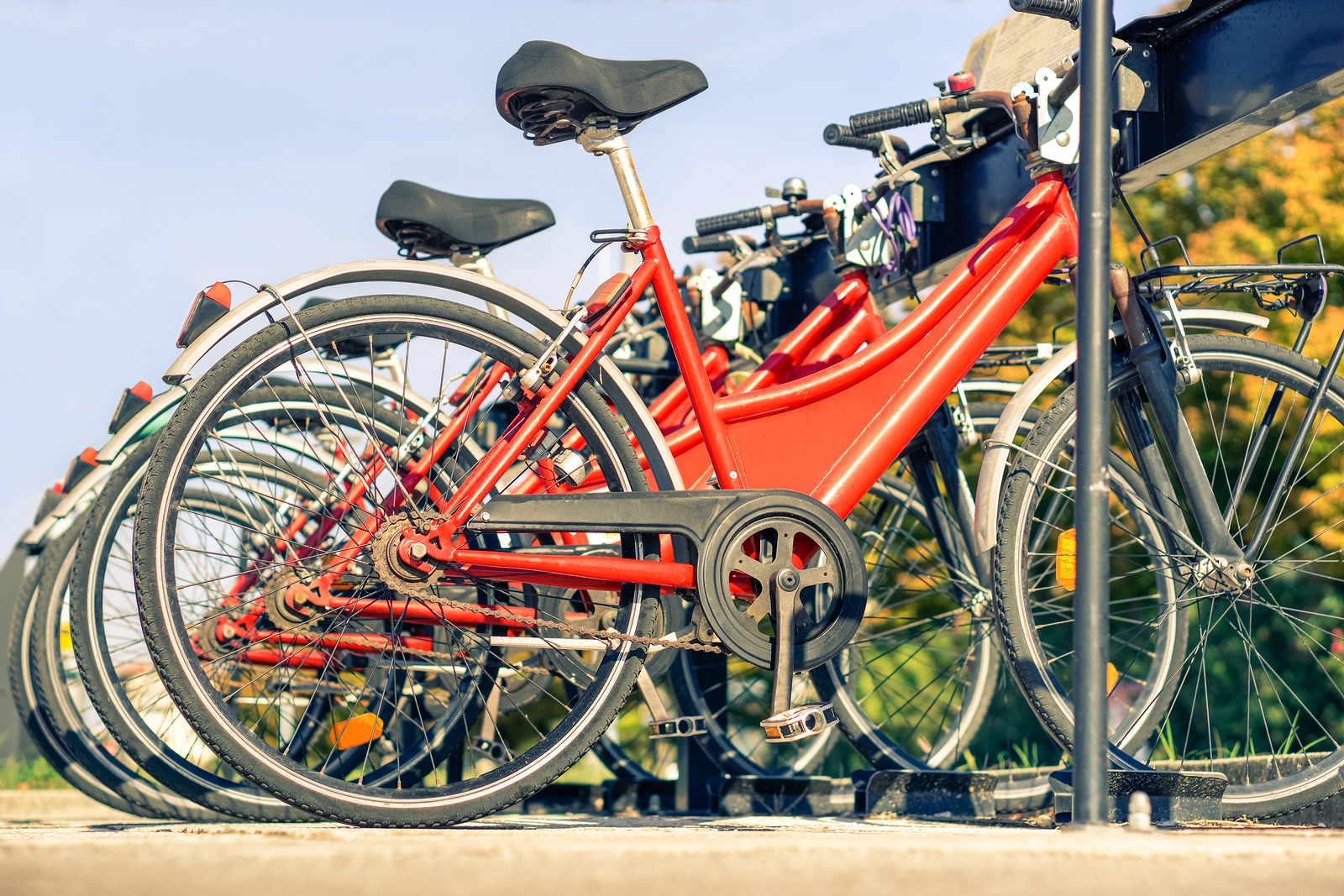
Having a bike-friendly city can have a huge impact on its citizens. Especially when it comes to their physical and mental health and the fact that regular biking has also also been shown to reduce mortality rates -- not to mention the environmental benefits. Regular cyclists also help to spur the economy as they save money by using their bikes as transportation versus having to pay for a car, insurance, repairs, and gas, etc. In fact, a 2014 study out of New Zealand found that for every dollar a city invests in building separate bike lanes, they could save up to $24 thanks to lower health care costs as well as reductions in pollution and traffic.
Not only does bike-friendly infrastructure put more cash in the pockets of citizens, it also requires less up-front investment from cities. A study in Fort Worth, TX, found that 160 bike spaces cost an average of $12,000, which is comparable to the cost of a single parking space. Add that to the fact that cyclists are more likely to stop and spend money at local businesses. For instance, Portlanders drive 20 percent less than other cities, which will put $800 million back into the local economy, according to one study.

Other cities have been quick to catch on. Chicago, the country's most bike-friendly city, is slated to complete 100 miles of buffered and protected bikeways in the spring of 2017. Chicago will also be the first major U.S. city to have a downtown network of protected bike lanes.
Retrofitting a city's urban infrastructure to accommodate cyclists is a viable way to make your city more bike-friendly. By looking at the existing roadways, cities can tell if the current traffic patterns could accommodate an alternative mode of transportation. Is it possible to add cycle tracks, multi-use trails, and bike lanes? Cycle tracks are a trending option because they offer a safe route that uses the existing roadway without the need for restriping, modifying curbs, utility poles, or storm drains. Your city also needs to make sure the bike infrastructure network connects to the right places by following major commute routes that have logical end points such as parks, schools, and business centers. There also needs to be adequate bike-parking facilities and routes need to be safe and welcoming for bicyclists.
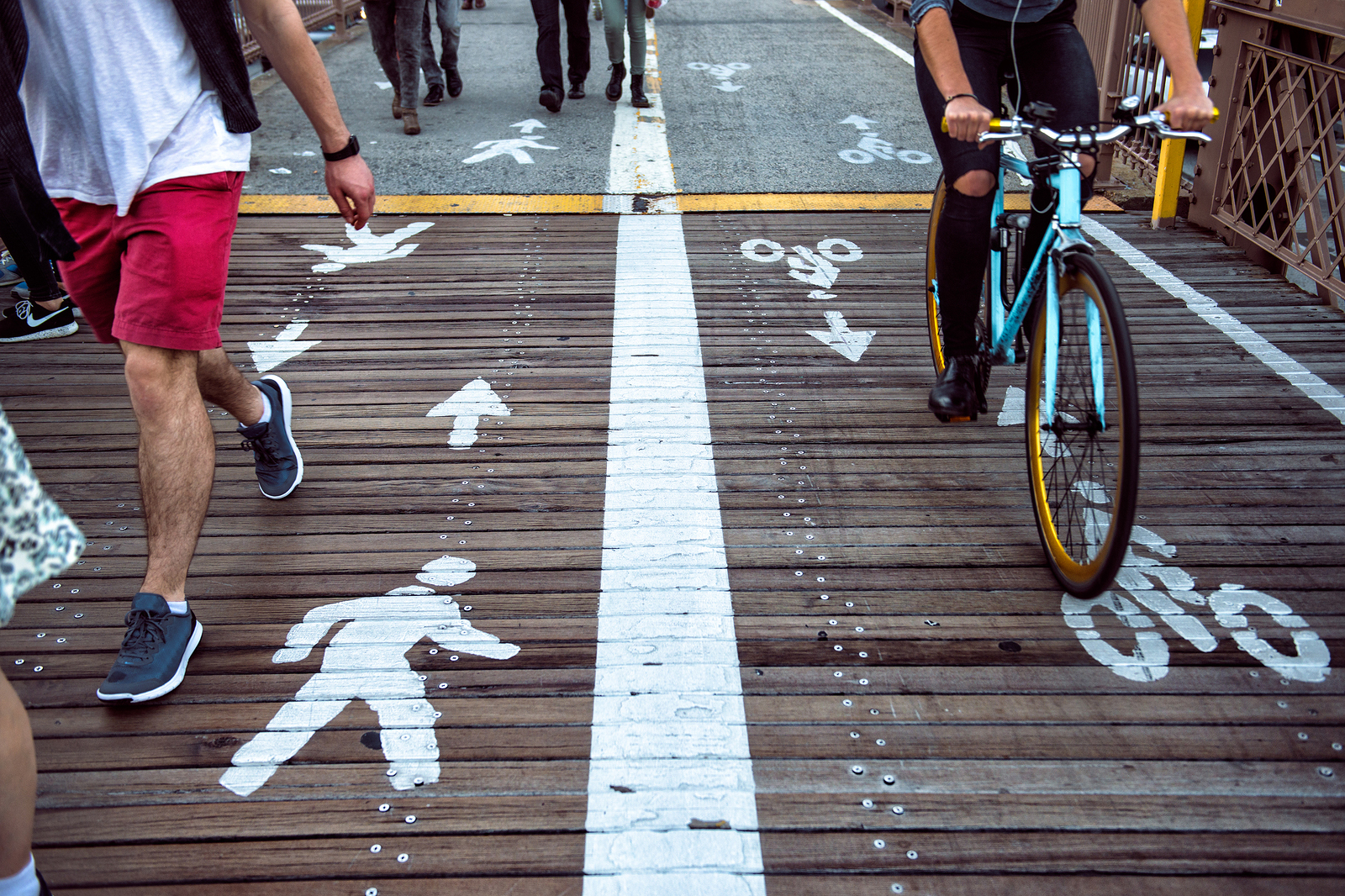
If a city wants to make their streets bike-friendly, there are multiple options available. These include adding dedicated bike lanes, enforcing congestion pricing, raising prices for street parking, adding more bike racks, and developing the ever-expanding bike sharing programs that have caught on in cities like New York City and Chicago. Multiple studies have shown that by simply making biking more accessible and safe, a city can dramatically increase their ridership. When Chicago added protected bike lanes along Kinzie Street in the Loop neighborhood, ridership increased by 60 percent with 86 percent of riders reporting feeling “safe” or “very safe.”
While creating the appropriate infrastructure is primarily the responsibility of the municipality, making a city more bike-friendly is most successful when the public becomes engaged in understanding how bike-friendly infrastructure works and how it will ultimately benefit the community. This all starts with offering cycling awareness and safety programs. For example, you could sponsor one or more of the following: bike safety education and injury reduction, biking and traffic laws, share the road seminar, etc. USA Cycling has a huge list of cycling advocacy organizations that could help.
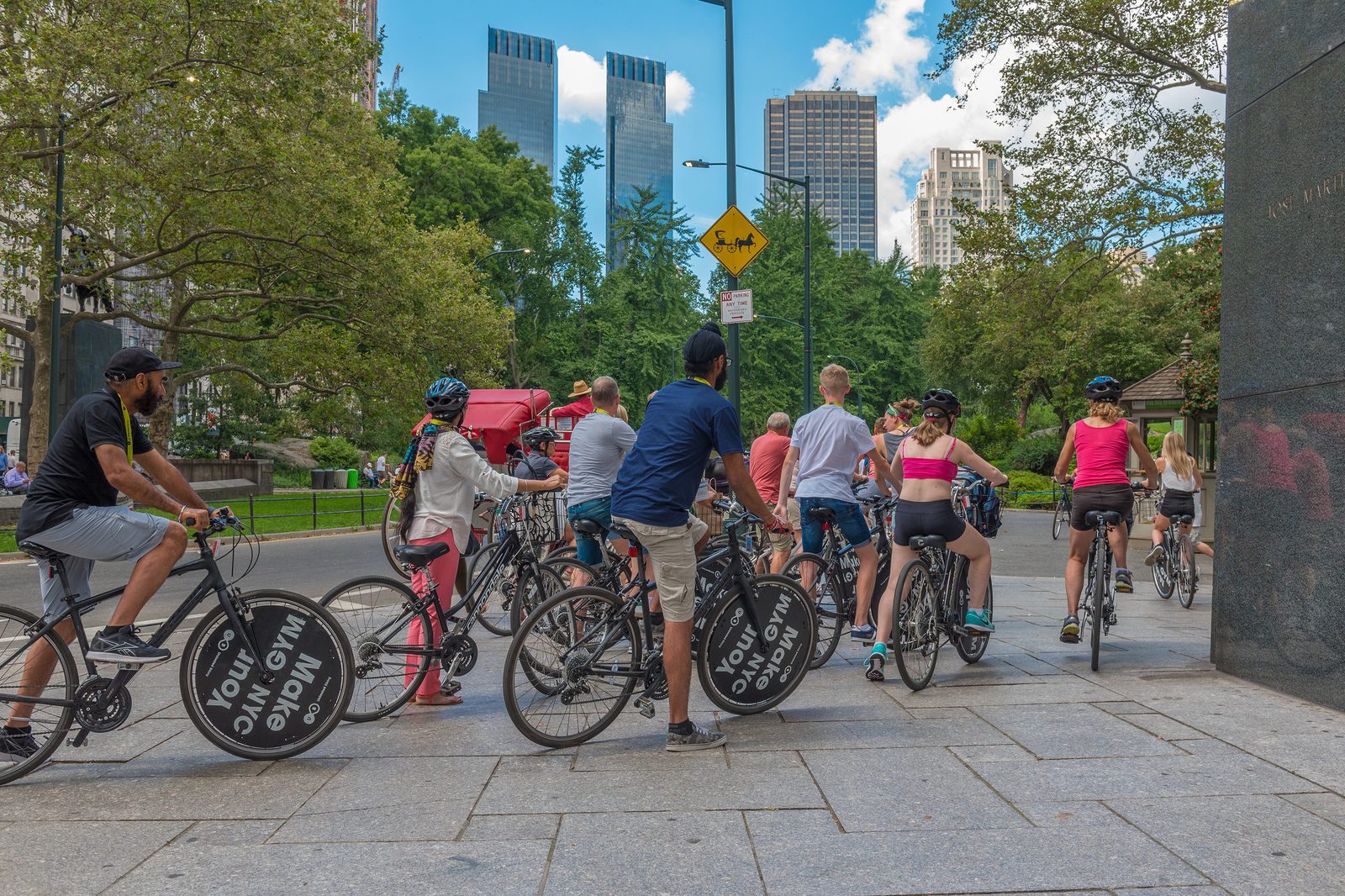
One way to get people riding is to start a cycling group. This could be through a citywide promotion or through the community's businesses and schools. Also consider offering some cycling programs so people can learn everything they need to know about the various forms of biking before they hit the streets. Practicing off-road will help people become more comfortable with their bikes before they ride the roads. Pairing people up is another great way to encourage the use of bicycles versus motor vehicles and it's great for building lasting relationships as well.
Once you get people involved and more comfortable with cycling, the hard part is over. When they see the benefits and feel the camaraderie that comes with biking, it’s all downhill from there.